


Mahinda Rajapaksa : 50th Millstone in Sri Lankan Politics
 3 May 2020
By Srimal Fernando
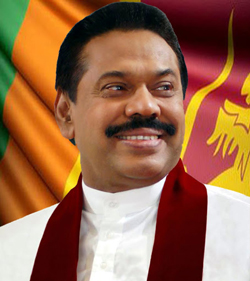
Last week Sri Lankan Prime minister Mahinda Rajapaksa completed fifty years in his political career. In Sri Lanka many of the Rajapaksa followers consider the charismatic politician as a true leader of the masses. On May 27, 1970 Mahinda began his political career as the youngest-ever Member of Parliament (MP) when he was elected to the Beliatta seat that his father, DA Rajapaksa vacated in 1965.
Late D.A.Rajapaksa, a founding member of the Sri Lanka Freedom Party (SLFP), was a prominent politician in the 1960s in the Prime Minister Wijeyananda Dahanayake government. Seven years later the young parliamentarian lost the Beliatta seat in a general election. Since then as an opposition politician Mahinda chose to bring about changes in the Sri Lankan political system.
Moreover, ten years later after his loss in a Parliamentary election, Rajapaksas captivating oratory skills and his popularity got him re-elected as Parliamentarian. Within no time Mahinda’s prominence in the political stage rose to new heights. Furthermore as an opposition parliamentarian Rajapaksa played a vital role in bringing the Sri Lanka Freedom Party(SLFP) led People's Alliance (PA) to power in 1994 . Since then Rajapaksa held numerous ministries from Labour to Fisheries until he became Prime Minister in 2004 . The veteran leader first came to power as the 5th Executive President in 2005.
First Term as President
In his first term as President Rajapaksa implemented poverty alleviation schemes as well as populist reformist policies such as “Mahinda Chintana: Vision for a New Sri Lanka” that increased economic growth and narrowed down inequalities in rural areas . He was also credited for ending Sri Lanka's nearly 30-year civil war with the Tamil Tigers separatist group in 2009.
Second Term as President
In 2010 Rajapaksa was re -elected to a second presidential term with an unprecedented number of electoral votes .In the post-war period Rajapaksa initiated massive development projects such as the Colombo Port City project, the Southern Expressway and the construction of the port and airport in his home town Hambantota. These investments contributed towards achieving an average economic growth rate of 6.8% in the next five years. However Sirisena who was a Minister and general secretary of the ruling Sri Lanka Freedom Party (SLFP) unexpectedly defected from Rajapaksa’s Government to contest the presidential election as the Opposition’s common candidate. In 2015 Maithripala Sirisena became the sixth Executive President of Sri Lanka defeating incumbent Rajapaksa in a surprise election victory.
Opposition Leader
Sri Lankan politics took a unusual turn in 2018 , when Mahinda Rajapaksa led Sri Lanka Podujana Party (SLPP)won a majority of the 340 local councils. Few months later Rajapaksa’s Sri Lanka Podujana Paramuna (SLPP) and Sirisena’s United People’s Freedom Alliance (UPFA) formed a coalition government . Few months later President Sirisena appointed Mahinda Rajapaksa as the new care taker Prime Minister following a power tussle with Prime Minister Ranil Wickremesinghe. Ending a two month -long political standoff the Wickremesinghe was reinstated as Prime Minister. Also Mahinda Rajapaksa was appointment as main opposition leader
Prime Minister
Following Easter bombings, the Presidential election of 2019 was a crucial moment for the Island nations overall national security. In fact the Former defence secretary Gotabaya Rajapaksa was declared victorious in a closely fought election, as his main opponent Sajith Premadasa of the ruling United National Party (UNP) conceded defeat. The newly elected President, Gotabaya Rajapaksa appointed his politically experienced brother Mahinda Rajapaksa as Prime Minister.
Over a period of nearly five decades Rajapaksa gradually rose through party rankings as a young parliamentarian representing Beliatta constituency till he reached the highest office of the nation . .His far-sighted visionary policies fast tracked much needed development projects that transformed the nation forever into a better place to live. Mahinda Rajapaksa’s exemplary but interesting political journey serving the people of Hambantota and all Sri Lankans will be remembered with profound respect in years to come.
(Srimal Fernando is a Doctoral Fellow at Jindal School of International Affairs (JSIA), India and Advisor / Global Editor of Diplomatic Society for South Africa. He is the winner of the 2018/2019 ‘Best Journalist of the Year’ award in South Africa, and has been the recipient of GCA Media Award for 2016.In the field of politics, and Policy affairs, Fernando is a specialist, with over ten years of first hand experience in Sri Lanka and the Maldives. The views expressed are personal)