


February 15, 2024: A Historic Day for Africa
by Ahmed Naji Bakal, Deputy Ambassador of Arab League in Pretoria
17 February 2025
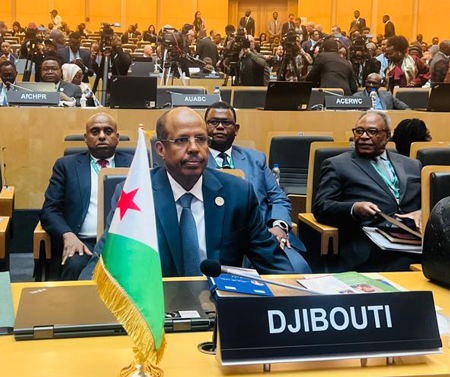
February 15, 2024, marked a historic moment for both the East African Community and the African continent as a whole, for a variety of reasons as outlined in this article.
The African Union (AU) Summit, held in Addis Ababa, brought together delegations from 49 African states. Six members were absent due to their suspension from the organization. The summit also welcomed a handful of international guests, including representatives from the League of Arab States and the United Nations.
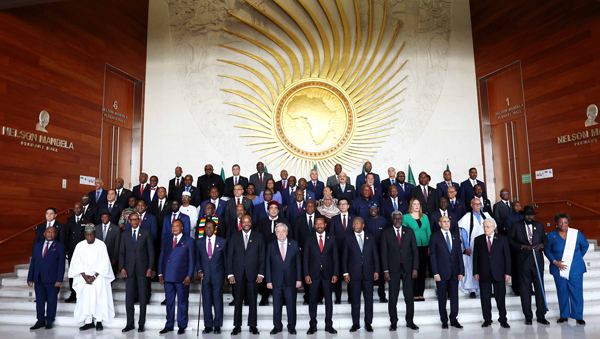
A range of political and security issues were on the agenda, with African leaders seeking solutions to pressing crises. Among the most urgent was the ongoing conflict in the Democratic Republic of Congo (DRC), which has claimed the lives of regional peacekeeping forces—including those from the Southern African Development Community (SADC)—and displaced millions of Congolese citizens. The war in Sudan was another critical issue requiring the AU’s immediate attention.
However, February 15 was particularly significant as it was the day the continent’s leaders chose the new Chairperson of the African Union Commission—the head of African diplomacy. The Chairperson represents Africa on the global stage and is responsible for managing the AU’s daily affairs through collective action, as outlined in the AU Charter.
A Tough Election Battle
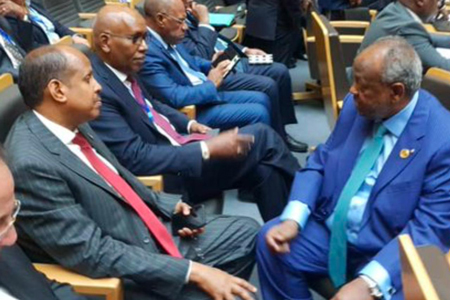
As expected, the election was highly competitive, with intense campaigns led by three African cities—Antananarivo (Madagascar), Djibouti City (Djibouti), and Nairobi (Kenya)—each rallying support for their respective candidate. The three contenders were:
• Richard Randriamandrato, former Foreign Minister of Madagascar
• Mohamoud Ali Youssouf, current Foreign Minister of Djibouti
• Raila Odinga, former Prime Minister of Kenya and veteran opposition politician
After five rigorous rounds of voting, Mohamoud Ali Youssouf emerged victorious, securing 33 out of 49 votes. He defeated both Randriamandrato and Odinga, succeeding the outgoing Chairperson, Moussa Faki Mahamat of Chad.
Who is Mohamoud Ali Youssouf?
Mohamoud Ali Youssouf is a seasoned diplomat with extensive experience. Fluent in Afar, Somali, English, French, and Arabic, he has served as Djibouti’s Foreign Minister since 2005. His country, strategically located in the Horn of Africa, plays a key role for global powers. Djibouti hosts several major military bases, including:
• The United States Africa Command (AFRICOM)—the largest U.S. military base in Africa
• France’s largest military base in Africa
• China’s only military base in Africa
Djibouti is also home to the Intergovernmental Authority on Development (IGAD), an important regional organization comprising seven Horn of Africa nations and a significant international diplomatic community.
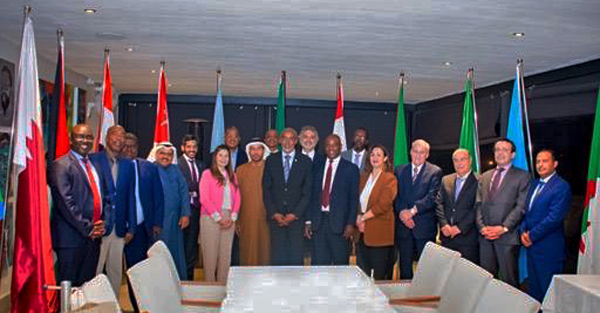
Before becoming Foreign Minister, Youssouf served as Djibouti’s ambassador to Egypt and held the position of Foreign Minister under three different presidents. His career serves as an inspiration for young diplomats in the Horn of Africa and beyond. He has been an active member of the League of Arab States, chairing several key meetings, including a widely publicized session in September 2017.
Challenges Ahead for the New AU Leadership
The election of Djibouti’s Foreign Minister to lead African diplomacy has been well received across Africa and the Arab world. Both regions anticipate strengthened Afro-Arab cooperation—a South-South development initiative that could enhance ties between African and Arab nations.
However, Youssouf faces significant challenges as he takes on this new role.
1. Africa’s Representation at the UN Security Council
• Africa has long pushed for at least two permanent seats with veto power in the UN Security Council—a reform that remains a top priority in international forums.
2. The African Continental Free Trade Area (AfCFTA)
• The AfCFTA aims to boost economic growth across the continent. The AU must work to accelerate its implementation and ensure it delivers tangible benefits.
3. West African Coups and AU Sanctions
• Several West African nations experienced military coups during the tenure of former AU Chairperson Moussa Faki Mahamat, leading to their suspension from the AU. Managing these political transitions and reintegrating these nations into the AU will be a major test.
4. The Sudan Conflict
• The war in Sudan is one of the continent’s most urgent crises. UN Secretary-General António Guterres has called for $6 billion in aid to assist 26 million Sudanese people in dire need of humanitarian relief.
5. The DRC Crisis
• The M23 militia has seized key cities in eastern DRC, including Goma, a resource-rich area. The AU must help stabilize the region and broker peace.
A New Era for African Diplomacy?
Since his election, Youssouf has emphasized his commitment to reforming the AU with skilled African diplomats and urgently working to silence the guns on the continent. With Africa’s vast natural wealth—including minerals, gas, and oil—he aims to promote stability and development.
Ahmed Naji Bakal is Deputy Ambassador of Arab League in Pretoria and Former Charge d’Affaires of the Mission League of Arab States in Pretoria. For comments contact Bakal at
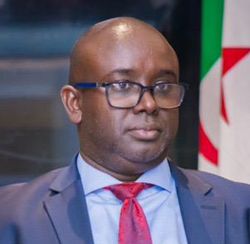 Ahmed Naji Bakal is Deputy Ambassador of Arab League in Pretoria and Former Charge d’Affaires of the Mission League of Arab States in Pretoria. For comments contact Bakal at