


115 Years of Japan-South Africa Relations: A Strong and Growing Partnership
By Kirtan Bhana - TDS

20 March 2025
Much is expected from Deputy President Paul Mashatile and his high-level ministerial delegation as they embark on a visit to Japan. As South Africa navigates economic challenges, strengthening ties with a longstanding and reliable partner like Japan offers opportunities to bolster growth and development. Japan, with its commitment to innovation and cooperation, continues to play a vital role in South Africa’s progress.
A reception hosted by the Embassy of Japan in Pretoria marked Japan’s National Day, celebrating the 65th birthday of His Majesty Emperor Naruhito. During his address, Ambassador Shimizu Fumio highlighted the enduring 115-year relationship between Japan and South Africa. This partnership, which dates back to 1910 when Julius Jeppe was appointed Japan’s Honorary Consul, has evolved into a dynamic and mutually beneficial collaboration across various sectors.
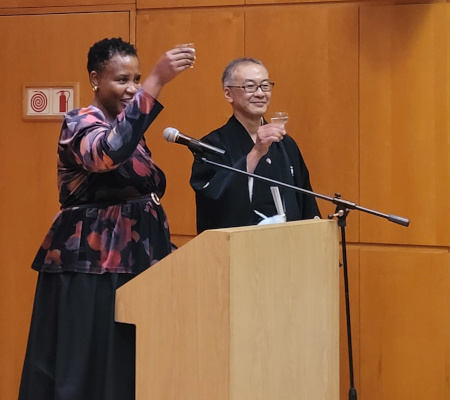
Japan remains a steadfast partner to South Africa, and this relationship is poised to deepen further. As the current G20 President, South Africa plays a crucial role in shaping global discourse. Last month, during the G20 Foreign Ministers’ Meeting, Japan’s Foreign Minister Takeshi Iwaya underscored the importance of shifting from “division and confrontation” to “dialogue and cooperation.” This aligns with Japan’s foreign policy approach, reinforcing shared values between the two nations.
A significant milestone in Japan-Africa relations will be the 9th Tokyo International Conference on African Development (TICAD) in Yokohama this August. TICAD, the longest-running forum focused on Africa’s development, will coincide with South Africa hosting the first G20 summit with the African Union as a permanent member. Japan aims to collaborate closely with South Africa to ensure TICAD 9’s success and leverage its outcomes to further G20 objectives.
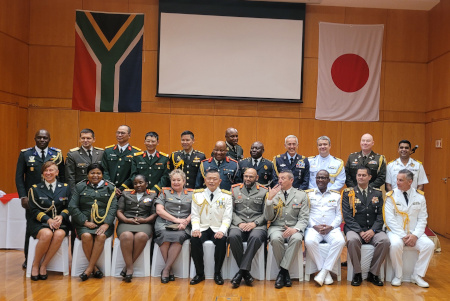
Ambassador Shimizu, who arrived in South Africa two months ago, acknowledged the country’s ongoing socio-economic challenges while expressing confidence in its ability to overcome them. Japan remains committed to supporting South Africa’s unique journey through economic collaboration and investment.
Deputy President Mashatile’s visit to Japan is set to further enhance bilateral cooperation, particularly in trade and investment. With over 200 Japanese companies operating in South Africa, generating more than 150,000 jobs, this visit is expected to remove obstacles that hinder the expansion of commercial ties. The strong Japanese business presence in South Africa underscores the depth of economic engagement between the two nations.

Beyond business, Japan’s cultural heritage was celebrated at the reception, where guests enjoyed traditional cuisine such as sushi, tempura, and ramen, alongside Japanese beverages like sake, gin, and whisky. A demonstration of Kyudo—the traditional Japanese art of archery—offered a glimpse into the nation’s deep-rooted customs. Japan’s philosophical values, emphasizing respect, humility, courtesy, and resilience, have played a key role in shaping its modern success.
Today, Japan stands as one of the world’s top five economies, having rebuilt itself from the devastation of World War II into a nation renowned for technological advancements and high living standards. Japanese businesses continue to drive global innovation, a strength showcased through exhibitions by leading corporations such as AAIC SA, Anest Iwata, Fujifilm, Hitachi, JOGMEC, NEC XON, SAPESI, SHARP, Mitsubishi Motors, Isuzu, Nissan, Subaru South Africa, and Toyota South Africa Motors. These companies exemplify Japan’s commitment to technological excellence and enterprise, underpinned by a deep-seated work ethic and a spirit of innovation.
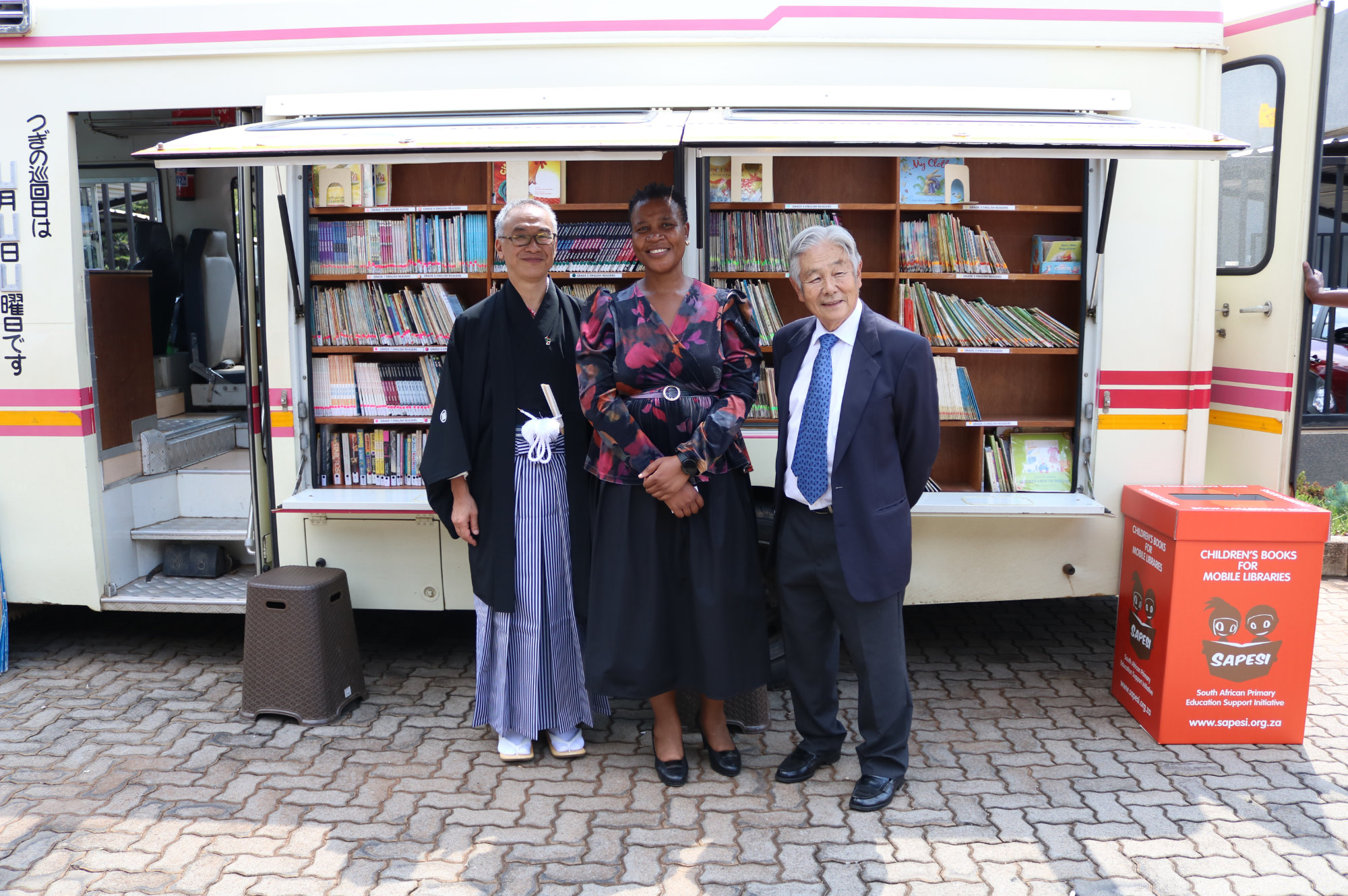
Guest of Honour Ms. Qinisile Delwa, Deputy Director-General of Enterprise Development, Innovation, and Entrepreneurship from the Department of Small Business Development, conveyed South Africa’s warm greetings to Japan, emphasizing the enduring friendship and cooperation between the two nations. She highlighted Japan’s contributions to South Africa’s economic growth, particularly in encouraging entrepreneurship and supporting skills development.
The strong historical ties between South Africa and Japan are also reflected in moments of solidarity. Japan fondly remembers South Africa’s assistance following the Great East Japan Earthquake in 2011, when a South African rescue team was dispatched to the affected areas, including the town of Ogatsu. This act of support exemplifies the mutual goodwill that underpins their relationship.
Japan and South Africa continue to engage through various programs and initiatives, including the Japan Exchange and Teaching (JET) Program, the Abe Initiative, TICAD, the Japan International Cooperation Agency (JICA), and the Japan External Trade Organization (JETRO). These platforms facilitate collaboration in education, trade, and technology transfer, further strengthening bilateral ties.
As both nations look ahead, the foundation of trust, mutual respect, and shared aspirations ensures that Japan-South Africa relations will continue to thrive. With expanding business ventures, cultural exchanges, and high-level diplomatic engagements, this enduring partnership promises a future of prosperity and deeper cooperation.