


The Battle of Cuito Cuanavale, A Defining Moment in Global History and Its Relevance Today
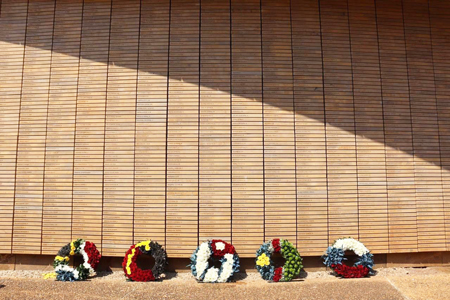
By Kirtan Bhana and Anisha Pemjee
26 March 2025
The Battle of Cuito Cuanavale, fought between 1987 and 1988 in southern Angola, was a turning point in African and world history. This momentous event not only shifted the balance of power in Southern Africa but also contributed to the end of apartheid, the independence of Namibia, and broader geopolitical transformations. The annual commemoration of this historic battle serves as a reminder of the seismic shifts in global politics and offers an opportunity to correct misinformed narratives that still shape contemporary discourse.
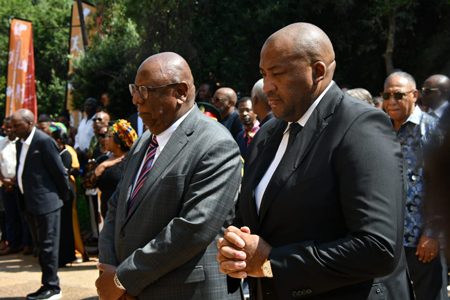
On March 23rd, a gathering at Freedom Park in Pretoria paid tribute to those who sacrificed their lives in the battle. The event highlighted the significance of Cuito Cuanavale in shaping the ideals of freedom and self-determination. One of the key developments announced during the commemoration was the signing of a Memorandum of Understanding (MOU) between the South African Minister of Sports, Arts and Culture, Gayton McKenzie and the Angolan Minister of Culture and Tourism, Felipe Silva de Pina Zau. This agreement includes plans to produce a film that will memorialize the battle, honour fallen heroes, and articulate the far-reaching consequences of the conflict.
Cuba played an instrumental role in the victory at Cuito Cuanavale, providing critical military and strategic support. Cuba’s Ambassador to South Africa, Esther Armenteros, recalled that during her first posting to South Africa 15 years ago, one of her responsibilities was to ensure that the names of the 2,289 Cuban soldiers who died at Cuito Cuanavale were correctly inscribed on the Wall of Names. She stressed the importance of ensuring that relatives visiting the Wall could identify their loved ones and pay their respects properly.
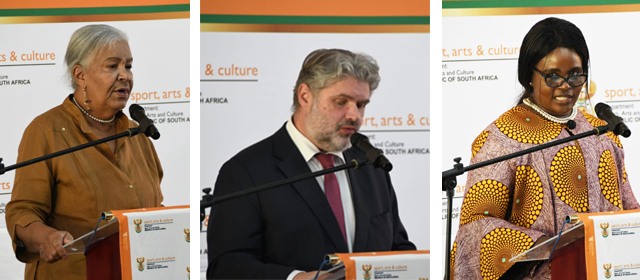
Equally pivotal was the role of the Soviet Union in this battle, providing vital support to the Angolan and Cuban forces. Russia’s Ambassador to South Africa, Roman Ambarov, spoke of the USSR’s unwavering commitment to the struggle against apartheid, stating, "The Soviet Union’s involvement went beyond mere politics or military strategy. It was based on the belief that all nations have the right to self-determination, and that apartheid South Africa, as well as foreign interference in Angola, had to end. The struggle for independence in Angola was part of a broader global fight for justice and equality, and the Soviet Union stood firmly on the side of the oppressed, on the right side of history."
Moscow’s support and solidarity played a decisive role in defeating the apartheid military and set off a chain reaction that led to negotiations for a democratic South Africa. The battle’s impact extended beyond Africa; the fall of the Berlin Wall in 1989 and the subsequent dissolution of the Soviet Union signalled the end of the Cold War, altering the global geopolitical landscape forever.
The aftermath of Cuito Cuanavale was felt almost immediately. On March 21, 1990, Namibia officially gained independence, marking another victory against colonialism. Namibia’s Deputy Head of Mission, Aino Humphrey, reflected on the implementation of UN Resolution 435, which ended South Africa’s occupation of Namibia, then known as South West Africa. Namibia recently elected its first female president, Netumbo Nandi-Ndaitwah, and Vice President Lucia Witbooi. Humphrey called for unity among African nations to drive development and prosperity, invoking the spirit of Sam Nujoma, Namibia’s founding president.
Angolan Minister Felipe Silva de Pina Zau, during his official visit, reaffirmed the importance of strengthening cultural and artistic ties between Angola and South Africa. This visit followed South African President Cyril Ramaphosa’s Working Visit to Angola and Angolan President João Lourenço's recent State Visit to South Africa, reinforcing the growing partnership and historical bonds between the two nations. The minister emphasized that the solidarity of the Frontline States, with the support of Cuba and the Soviet Union, led to the defeat of an enemy that had long seemed invincible.
At the commemoration, Minister Gayton McKenzie, representing his party in South Africa’s Government of National Unity (GNU), addressed the recent controversial allegations of genocide in South Africa. He categorically dismissed these claims as baseless and urged South Africans to reject and counter with facts such misleading narratives.
His speech took on an impassioned tone as he reflected on the onerous and often costly visa processes forced on African travellers, as well as long waiting queues to enter other countries, while nationals from those developed nations enjoy visa-free access to much of Africa. McKenzie called for African leaders to break free from these outdated and subservient policies, advocating for a radical transformation of global relations to unlock this rich continent’s true potential.
The commemoration of Cuito Cuanavale also acknowledged the enduring contributions of the Soviet Union, often referred to as "Mother Russia," for its unwavering support of Africa’s liberation struggles. The leadership and vision of figures such as Fidel Castro, Agostinho Neto, Nelson Mandela, and Sam Nujoma, along with the bravery of countless foot soldiers, laid the foundation for Africa to reclaim its sovereignty and shape its own future.
Freedom Park and the Voortrekker Monument lie adjacent to each other which is a hallmark of the reconciliatory vision of Mandela and his generation of leaders. The Voortrekker Monument also memorialises fallen soldiers of the former SA defence force. The monuments stand as a testament to the progress that South African society has made. The indiscriminate killing of indigenous people like the Khoisan, and the remembrance of the British concentration camps that Afrikaners had to endure during the Anglo-Boer War, are a reflection of the history of South Africa and the bold and courageous steps taken to unify a nation.
Today, as the world navigates new geopolitical challenges, the legacy of Cuito Cuanavale remains more relevant than ever. The battle was not just a military engagement; it was a defining moment that reshaped international alliances and inspired movements for justice and equality across the globe. As nations reconsider their positions in a rapidly evolving global order, the lessons of Cuito Cuanavale serve as a reminder of the strength of unity, the necessity of resilience, and the enduring impact of standing against oppression.