


A Māori Welcome and a Celebration of Heritage at IDSA Coffee Morning
By Anisha Pemjee – TDS
30 September 2026
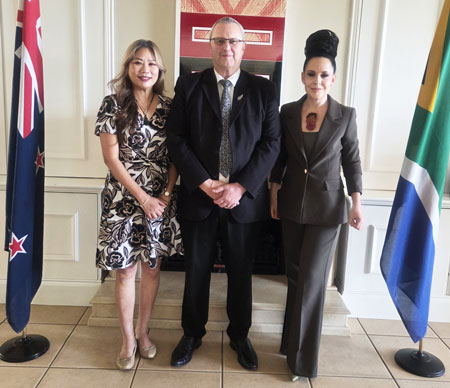
The warmth of New Zealand hospitality met the cultural diversity of Pretoria’s diplomatic community when the International Diplomatic Spouses Association (IDSA) held its September Coffee Morning at the New Zealand High Commission on 28 September.
Hosted by Romchalee Kanokngamwitroj, spouse of the New Zealand High Commissioner to South Africa, the gathering brought diplomatic spouses together for a morning of friendship, cultural exchange and conversation during South Africa’s Heritage Month.
The occasion reflected the spirit of this year’s Heritage Month theme, “Celebrating Our Living Heritage: Strengthening the Ties That Bind Us”, which highlights the importance of culture, traditions and shared experiences in strengthening social cohesion and a sense of belonging.
The morning began with a Māori mihi from the host. A mihi, or mihimihi, is a form of introduction and welcome that establishes connections between people and acknowledges who they are and where they come from. It provided a meaningful opening to a gathering whose purpose is itself centred on building relationships across cultures.
New Zealand High Commissioner Philip Hewitt then opened the event with a karakia, offering a traditional New Zealand welcome to the guests.
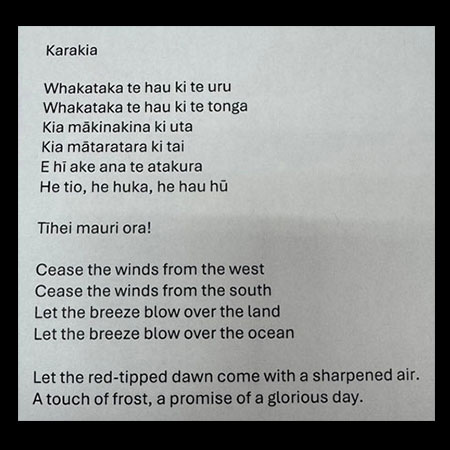
Karakia have an important place in Māori traditions. The term encompasses forms of invocation, prayer and ritual words and has historically been used in different contexts, including ceremonies and occasions where people seek connection, protection or blessing. Karakia is a means through which people communicate with the atua, or spiritual beings, within traditional Māori belief.
Beginning the gathering in this way gave the morning a distinctly New Zealand character, while also creating a point of connection with the many cultural traditions represented in the room.
With South Africa celebrating Heritage Month, the cultural exchange continued as diplomatic spouses shared greetings in their own languages. Each greeting carried something of the speaker’s heritage and identity, creating a colourful expression of the diversity that characterises Pretoria’s diplomatic community.
Language offered a glimpse into the traditions, histories and places that diplomatic spouses carry with them as they move between countries and communities.
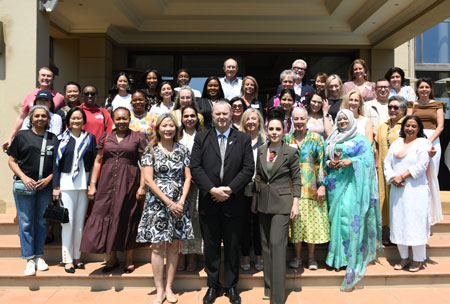
IDSA President Karem Ruiz de Livieres welcomed new members to the association and bade farewell to members departing for their next chapters, wishing them well in their future journeys. She also thanked members for their generous support of the IDSA scholarship fund through the association’s various fundraising opportunities.
The New Zealand setting was reflected in the refreshments served to guests. Homemade cheese scones, caramel slice and chocolate lamingtons offered a taste of New Zealand hospitality, while the selection of wines introduced guests to another important part of the country’s cultural and economic identity.
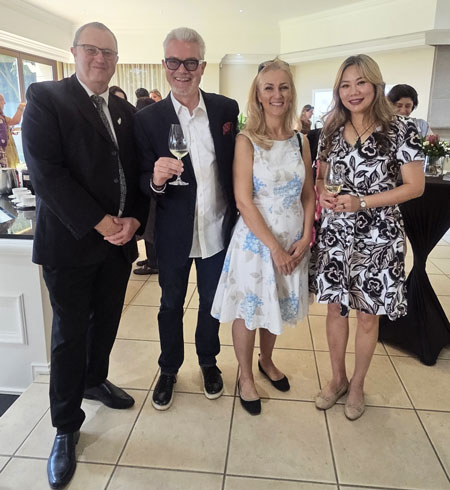
Guests sampled Pencarrow Sauvignon Blanc and Pinot Gris as well as Nautilus sparkling wine. New Zealand has developed a strong international reputation for premium wine, particularly Sauvignon Blanc, which is the country’s flagship wine variety and accounts for a substantial share of its wine exports.
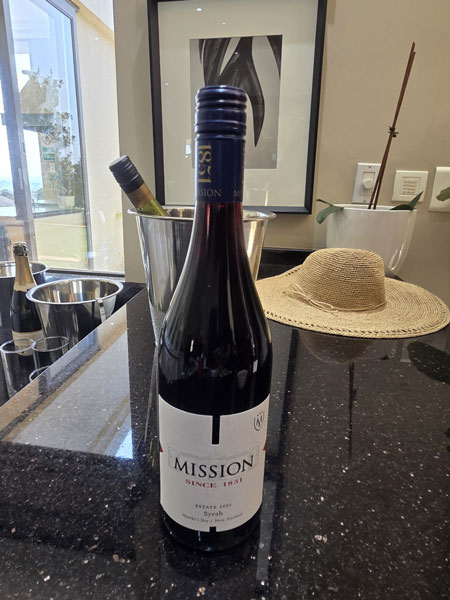
The wine industry is also an important export sector. New Zealand Winegrowers reported in September 2026 that wine exports reached NZ$2.108 billion in the year to June 2026, with 306.2 million litres exported. The industry has also placed considerable emphasis on sustainability, with its Sustainable Winegrowing New Zealand programme covering the vast majority of the country’s vineyard area.
The monthly Coffee Morning remains an important part of IDSA’s programme, providing diplomatic spouses with an opportunity to connect, share experiences and learn about the cultures represented within the diplomatic community.
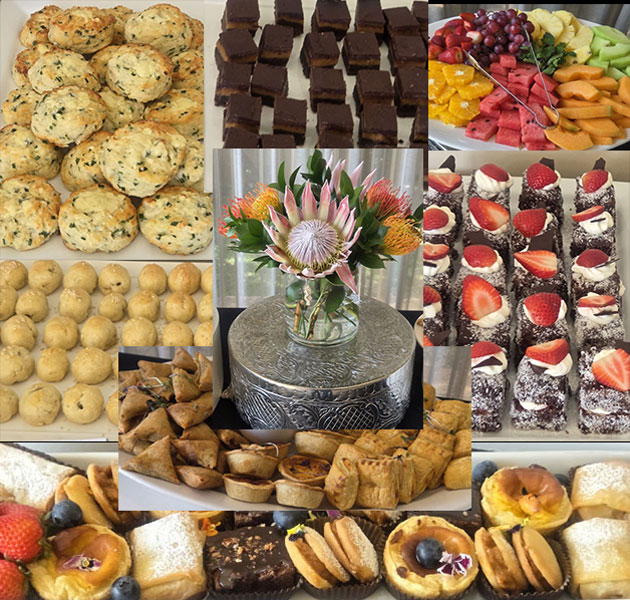
At the New Zealand High Commission, Māori traditions, South African heritage and the many cultures of the diplomatic community came together over conversation, food and friendship, offering a fitting example of how cultural exchange can strengthen diplomatic relationships at a personal level.
Photos: Anisha Pemjee/TDS