


Journey to China: Journalism, Technology and Memories of a Changing Nation
Fiifi Nettey
9 October 2026
I will be returning to China for the second time to participate in the 2026 Belt and Road Journalists Forum (BRJF), scheduled to take place in Jiangsu Province from October 12 to 18.
I'm excited about this opportunity to reconnect with colleagues from across the world and to exchange ideas on the changing face of journalism. The profession is evolving rapidly, driven by technological innovation, artificial intelligence and new digital tools that are transforming how journalists gather information, tell stories and serve the public interest.
Journalism has always been a profession built around serving society. As technology changes the way information is produced and consumed, journalists must also adapt, embrace innovation and find new ways to remain relevant, credible and effective in the public interest.
The theme of this year's forum, “Convergence and Connectivity · Innovation and Progress · Media Transformation Amid Global Changes,” is therefore particularly relevant to the times in which we live.
The forum begins on October 12 with registration in Nanjing, the capital of Jiangsu Province. From October 13 through the morning of October 16, 2026, participants will tour different parts of the province to learn about China's advances in economic innovation, technology, ecological conservation and cultural preservation.
On the afternoon of October 16, 2026, there will be five parallel thematic seminars focusing on important issues including dialogue among civilizations, economic reporting, artificial intelligence, fact-checking and media cooperation among countries of the Global South.
The forum will reach its climax on October 17, 2026 with the Opening Ceremony and Main Forum in the morning, followed in the afternoon by the Roundtable Meeting of the International Home of Journalists. Participants are expected to depart on October 18, 2026.
For me, this will be more than another professional gathering. It will be another opportunity to experience China's technological advancement firsthand, learn more about Chinese society and deepen relationships with journalists and friends I will meet during the forum.
As I prepare for another journey to China, I find myself reminiscing about my previous visit to Chongqing—a fascinating city blessed with remarkable architecture, breathtaking landscapes and warm-hearted people.
As the host city of the 2024 Belt and Road Journalists Forum (BRJF), Chongqing offered me an unforgettable experience. Beyond the forum itself, the tour provided an opportunity to discover the city’s beautiful landmarks, experience its vibrant culture and connect with its welcoming people.
From its impressive skyline and spectacular landscapes to the warmth and hospitality of its people, Chongqing left a lasting impression on me. It was a journey that revealed not only the beauty of the city but also the character and spirit of its people.
It anchors the New International Land-Sea Trade Corridor, connecting cities and markets across China and the world.
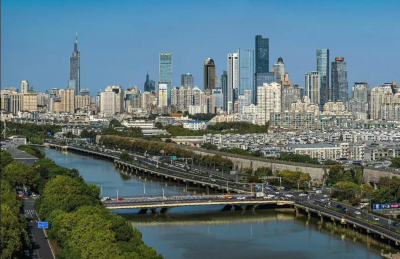
The city, with a population of more than 30 million people, was truly awe-inspiring. Rivers, railways and highways converge within a fast-moving, high-tech urban environment dominated by towering skyscrapers, modern infrastructure and dazzling neon-lit nights.
One of the most memorable places I visited was the Baiheliang Underwater Museum, which provides a fascinating window into the city's long history and ancient relationship with the Yangtze River. The site offered a powerful connection between Chongqing's past and its rapidly changing present—an experience that remains fresh in my mind.
Another unforgettable experience was visiting Wulong, a region that has undergone a remarkable transformation. Once one of the poorer areas, Wulong has developed into an important eco-tourism destination, demonstrating how environmental protection, sustainable development and inclusive policies can help transform communities.
My visit to modern industrial facilities was equally impressive. At the SERES electric vehicle plant, I witnessed the production of high-performance electric vehicles using advanced technology and robotic precision. It was a powerful demonstration of China's transition towards a technology-driven and increasingly innovative economy.
The Chongqing Planning Exhibition Gallery provided another fascinating perspective. Through architectural models, photographs and visual displays, the gallery tells the story of the city's transformation over several decades and offers a glimpse into its ambitious vision for the future.
The People Behind the Experience
Beyond the impressive infrastructure, technology and economic achievements, what made the journey particularly memorable were the people.
The friendships and experiences shared with colleagues from different parts of the world, together with the dedication of our team leaders, remain among my most treasured memories.
They reminded me that behind every development project, technological breakthrough and international partnership are people—and it is people who ultimately give meaning to global cooperation.
I also cannot forget the delightful Chinese cuisine I had the opportunity to enjoy and the warmth and hospitality of the Chinese people I encountered throughout the journey.
As l return to China, I look forward not only to learning more about journalism, technology and artificial intelligence, but also to deepening my understanding of a country whose transformation continues to attract global attention.
I am confident that this time there will be more surprises to see, learn from China on the new technological innovations and better understand its contributions to the global economy and the changing world.

Freelance Journalist & Columnist for Business & Financial Times Newspaper Ghana West Africa.