


Unlocking Russia
From the Pacific shores of Vladivostok to the Baltic city of Kaliningrad, Russia is a country whose immense geographical scale, scientific ingenuity, cultural depth and human warmth reveal a story far richer than the headlines often suggest.
by Kirtan Bhana - TDS
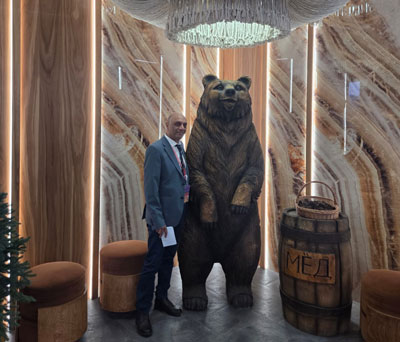
Moscow - 28 October 2026
There are countries one visits, countries one studies, and countries one must experience to begin to understand. Russia belongs firmly in the last category. Spanning approximately 9,000 kilometres from east to west and crossing eleven time zones, it is a land of extraordinary contrasts, where ancient traditions coexist with cutting-edge technology, immense natural landscapes sit alongside sophisticated urban centres, and centuries of history have helped shape a people known for their resilience, resourcefulness and capacity to endure.
Yet, for all its international prominence in literature, space exploration, science, military affairs and sport, much of Russia remains unfamiliar to the wider world. Beyond the familiar names of Leo Tolstoy and Fyodor Dostoevsky, beyond the achievements of its cosmonauts and the global attention surrounding its geopolitical role, lies a country of remarkable natural abundance, industrial ingenuity, cultural diversity and human heritage
A journey across an extraordinary country
An excellent starting point for this discovery is the 'Journey Across Russia' exhibition at the National Centre in Moscow. Covering approximately 3,000 square metres, the exhibition invites visitors to travel from Vladivostok in the Far East to Kaliningrad in the west without leaving the Russian capital.
Through interactive installations, immersive experiences and displays spanning all eight federal districts, visitors encounter a country whose achievements extend well beyond conventional perceptions. The exhibition brings together science, industry, agriculture, technology, culture and the natural environment, illustrating how geography, history and human enterprise have combined to shape modern Russia.
It is an invitation to appreciate the interconnectedness of a vast country and the extraordinary variety of life within its borders.
In the Far Eastern Federal District, visitors encounter the achievements of shipbuilding, aircraft manufacturing and space technology. The region's forests, including the remarkable Ussuri taiga, offer another dimension of discovery, revealing an ecosystem of extraordinary biodiversity. Here, industrial ambition and the natural world exist side by side, demonstrating the scale and complexity of Russia's eastern territories.
Moving into Siberia, the landscape changes dramatically. Vast forests, rugged terrain and the immense expanse of Lake Baikal reveal nature on a scale that is difficult to comprehend until experienced. Baikal, the world's deepest freshwater lake, contains roughly one-fifth of the world's unfrozen surface freshwater. Its exceptional biodiversity and immense depth make it one of the planet's most important natural treasures.
Siberia is also a centre of scientific ambition. Research facilities such as the Baikal Neutrino Telescope, which investigates elusive high-energy particles, illustrate Russia's continuing contribution to fundamental scientific research. The juxtaposition is striking: a region of remote wilderness is also a frontier for some of humanity's most sophisticated attempts to understand the universe.
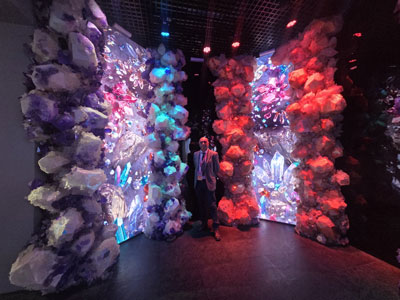
The Ural Federal District offers a different kind of wonder. Its mineral wealth has shaped its industrial history and helped establish its reputation as one of Russia's important metallurgical and mining regions. Emeralds, amethysts, topazes and other minerals tell a story of geological abundance, while the vast Koelga marble quarry in Chelyabinsk Oblast demonstrates the scale of the country's extractive industries. Koelga is renowned for its extensive deposits of high-quality white marble and is among the world's major active marble quarries.
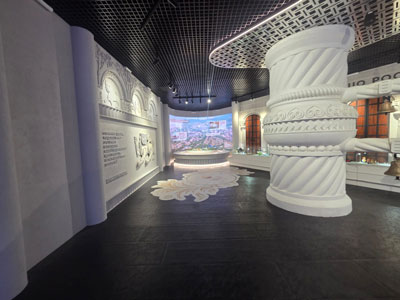
In this landscape, geology is part of the story of how natural resources, technical knowledge and industrial capability can be transformed into economic value.
The Volga region brings the visitor into the modern technological age. The development of Innopolis, a purpose-built technology city in Tatarstan, reflects Russia's efforts to nurture innovation and build a competitive digital economy. Interactive exhibits featuring the KAMAZ truck and the high-speed Meteor hydrofoil demonstrate the practical application of engineering, manufacturing and design.
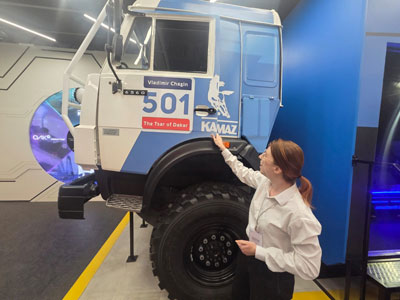
These achievements are reminders that technological progress is not confined to software or laboratories. It also lives in transport systems, heavy industry, advanced machinery and the ability to connect people, goods and markets across enormous distances.
The Central Federal District, meanwhile, illustrates the relationship between tradition and modernisation. Historic cities, cultural institutions and architectural heritage sit alongside advances in medicine, nuclear physics and smart-city technologies. It is a reminder that a country's future need not be built by abandoning its past; rather, its heritage can provide a foundation for innovation.
Further south, the North Caucasus reveals a world of mountains, forests, mineral springs and distinctive regional cultures. Its nature reserves, opportunities for health and wellness tourism, and growing investment projects illustrate the economic possibilities of preserving and developing natural assets. The region's observatories also connect its spectacular mountain environment to humanity's enduring fascination with the stars.
The Southern Federal District adds another dimension through its agricultural production, vineyards, transport infrastructure and tourism potential. The Crimean Bridge, presented through an installation at the exhibition, illustrates the ambition associated with major infrastructure projects. The wider region's fertile land, favourable growing conditions and coastal landscapes have helped sustain important agricultural and tourism industries.
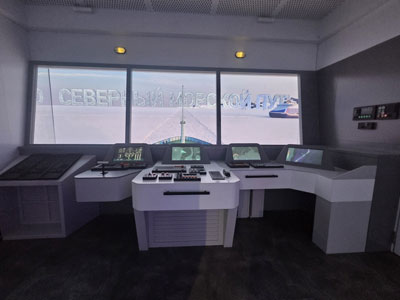
Finally, the Northwestern Federal District opens a window onto the Arctic and Russia's maritime capabilities. Here, the country's nuclear-powered icebreakers represent one of its most distinctive engineering achievements. Designed to operate in severe polar conditions, these vessels help maintain navigation along the Northern Sea Route, supporting shipping, scientific work and access to remote northern territories.
Building a nuclear-powered icebreaker requires extraordinary coordination between nuclear engineering, naval architecture, materials science and advanced systems integration. Russia has developed the world's only operating fleet of nuclear-powered icebreakers, a specialised capability that reflects decades of accumulated technical knowledge and industrial investment.
These vessels are primarily associated with Arctic navigation. Their importance lies in opening and maintaining routes through ice-covered northern waters, where conventional ships face formidable limitations.
Taken together, these regional stories reveal a country that is at once a repository of natural wonders, an industrial power, a centre of scientific research and a society continually negotiating the relationship between tradition and change.
Nature on a continental scale
Russia's natural endowment is one of its most extraordinary assets. Its territory encompasses Arctic tundra, immense boreal forests, fertile agricultural plains, mountain ranges, extensive river systems and thousands of kilometres of coastline. Such diversity supports a remarkable range of ecosystems and economic activities.
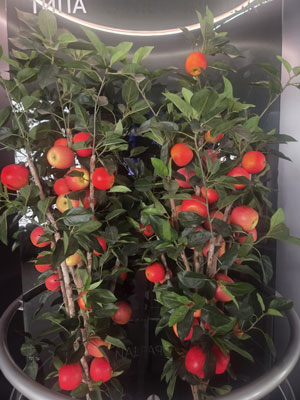
The country's forests are among the largest in the world, providing habitats for wildlife while playing a vital role in global carbon cycles. Its rivers support communities, transport, energy production and agriculture. Its fertile southern regions contribute to grain production, while its forests, meadows and agricultural lands sustain beekeeping and the production of honey.
Russia is also a major agricultural producer and exporter, particularly of wheat. Its agricultural success reflects a combination of fertile soils, extensive land resources, mechanisation, investment and the development of large-scale production systems. Climate and geography nevertheless impose significant limitations, particularly across the colder northern and eastern regions.
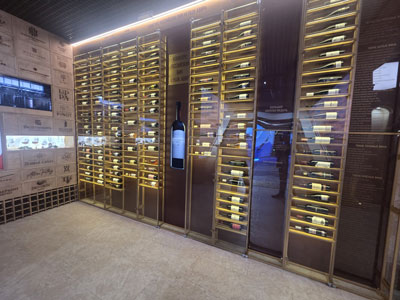
Wine production offers another illustration of the country's diversity. In the south, especially around Krasnodar Krai and the Black Sea coast, vineyards benefit from conditions that differ markedly from those of the northern interior. The result is a wine industry that draws on local landscapes, regional traditions and growing technical expertise.
This abundance should not obscure the challenges involved in managing such a vast territory. Distance, harsh winters, infrastructure gaps and the environmental consequences of resource extraction require sustained investment and careful planning. Yet the scale of the opportunity remains remarkable: few countries possess such a combination of land, water, forests, minerals and agricultural potential.
A legacy of science, engineering and precision
Russia's achievements in science and engineering are among the most internationally recognised aspects of its national story. Its early successes in space exploration changed humanity's understanding of what was technologically possible. The launch of Sputnik in 1957 and Yuri Gagarin's pioneering human spaceflight in 1961 became defining milestones in the history of space exploration.
That legacy is part of a broader scientific tradition encompassing mathematics, physics, chemistry, engineering and fundamental research. Russian scientists and engineers have contributed to developments in nuclear technology, aviation, materials science and numerous other fields.
The country's nuclear-powered icebreakers provide a particularly compelling example of the relationship between scientific knowledge and practical application. Nuclear propulsion allows these specialised vessels to operate for extended periods in remote regions where conventional refuelling infrastructure is limited. Their construction and operation demand exacting standards, specialised expertise and a high degree of coordination.
Heavy industry provides further evidence of this engineering tradition. From aircraft and automotive manufacturing to mining equipment and transport infrastructure, Russia has developed capabilities designed to serve the needs of a vast and often challenging geographical environment.
Of course, no nation is uniformly excellent in every sector, and technical achievement does not automatically translate into economic efficiency or broad prosperity. Russia, like other major economies, faces questions about productivity, investment, technological competition and the modernisation of its industrial base. Nevertheless, its accumulated scientific and engineering knowledge remains an important national asset.
A cultural inheritance that belongs to the world
To explore Russia solely through its industries and infrastructure would be to miss an essential part of its character. Its cultural contribution to the world is immense.
Leo Tolstoy's exploration of morality, society and human responsibility, and Fyodor Dostoevsky's profound examination of conscience, suffering and the human psyche, have influenced readers across generations and continents. Their works remain enduring examples of literature's ability to illuminate the complexities of human existence.
Russian music, ballet, painting and architecture have similarly achieved international distinction. The compositions of Pyotr Ilyich Tchaikovsky, the artistic achievements associated with the Russian ballet tradition, and the country's rich heritage of religious and secular architecture have shaped cultural life far beyond its borders.
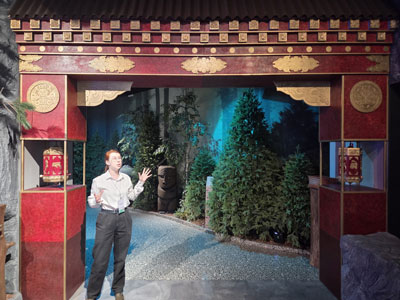
Equally important are the traditions of Russia's many regions and peoples. The country is home to numerous ethnic communities, languages, cuisines, musical traditions and forms of craftsmanship. From the Volga region to the Caucasus and Siberia, local identities add layers of richness to the national story.
This cultural diversity is a reminder that Russia cannot be reduced to a single landscape, language, custom or historical experience. Understanding it requires curiosity, openness and a willingness to encounter perspectives different from one's own.
The people behind the achievements
Ultimately, a country's greatness must be understood through its people.
For many visitors, one of the most memorable aspects of Russia is the contrast between an initially reserved public manner and the warmth that can emerge through personal interaction. Hospitality, generosity and thoughtful gestures often become apparent through conversations, shared meals, cultural exchanges and the everyday encounters that make travel meaningful.
Behind the engineers, scientists, farmers, teachers, artists, entrepreneurs and public servants are individuals whose work and daily lives sustain a country of extraordinary complexity.
There is also a powerful culture of endurance in the Russian historical experience. Geography, climate, invasion, political upheaval and profound social transformation have all shaped the nation's development. The defeat of Napoleon's invasion in 1812 and the Soviet Union's decisive role in the defeat of Nazi Germany in the Second World War remain central episodes in its historical memory.
These events involved immense human suffering and sacrifice, and their significance deserves to be approached with historical care. They nevertheless help explain why resilience, collective effort and national survival occupy such prominent places in Russia's understanding of itself.
Resilience, however, is most valuable when accompanied by adaptability, humility and a willingness to learn. The capacity to endure hardship is only one measure of national strength; the ability to improve institutions, expand opportunity and enhance the well-being of citizens is equally important.
Russia and Africa value practical development
As Russia hosts the Russia–Africa Summit, the relationship between the two regions provides an additional reason to explore the practical possibilities of international cooperation.
Africa is not a single market or a uniform development story. Its countries possess different economic structures, resources, institutional capacities and national priorities. Yet many are working to expand electricity access, improve transport and logistics, develop agricultural productivity, strengthen technical education and build industries that create value locally.
Russia's experience in selected areas offers opportunities for useful dialogue. Its achievements in nuclear engineering, heavy manufacturing, scientific research, vocational training, grain production and infrastructure development can provide examples worth examining. Cooperation in these fields could support skills transfer, research partnerships, agricultural resilience and the development of local technical capabilities.
The most valuable lesson is not that Africa should copy Russia wholesale. Every country must develop according to its own circumstances, democratic choices, resources and long-term interests.
Rather, the lesson is the importance of practical ambition: identifying national priorities, investing in people, developing technical skills, maintaining infrastructure, supporting productive industries and measuring success by tangible improvements in everyday life.
Russia's industrial and scientific history also demonstrates the importance of sustained investment. Major capabilities are rarely created overnight. They require institutions that can train skilled workers, research organisations that can generate knowledge, businesses that can turn ideas into useful products and infrastructure that allows production to reach markets.
African countries can adapt these principles to their own contexts, combining international partnerships with local entrepreneurship, regional integration and policies that promote transparency, accountability and inclusive growth.
The relationship should be mutually beneficial. Russia can contribute technology, expertise and investment, while African countries offer their own scientific talent, entrepreneurial energy, natural resources, expanding markets and distinctive development experiences. Strong partnerships are those that move beyond transactions towards the creation of lasting local capacity.
Such cooperation is most likely to succeed when it is grounded in mutual respect, commercial realism, responsible financing and a clear understanding that development must ultimately benefit the people of the countries involved.
Unlocking the full story
The Journey Across Russia exhibition captures something important about the country: its story is too large and too varied to be understood through a narrow lens.
A visitor can move from the forests of the Far East to the depths of Baikal, from the mineral riches of the Urals to the technological ambitions of Innopolis, from the vineyards of the south to the icebreakers of the Arctic. Along the way, the visitor encounters the accumulated work of scientists, engineers, farmers, industrial workers, artists and communities whose contributions give substance to the idea of a nation.
Russia is not without contradictions. Its history includes extraordinary cultural and scientific achievements alongside periods of repression, conflict and upheaval. Its vast resources create opportunities but also raise questions about environmental stewardship, economic diversification and equitable development. Its industrial capabilities are impressive, yet continued innovation and broad-based prosperity require constant effort.
Recognising these complexities does not diminish the country's achievements. It makes an understanding of Russia more complete, more honest and ultimately more meaningful.
The country is best understood not as a perfect model or an impenetrable mystery, but as a vast and evolving civilisation with much to share and much still to discover.
To unlock Russia is to recognise that meaningful international relationships begin with curiosity rather than assumption, practical cooperation rather than empty rhetoric, and a genuine respect for the experiences and aspirations of others.
And perhaps that is the exhibition's most enduring message: that the true measure of a country lies not only in what it possesses or what it has achieved, but also in the knowledge it cultivates, the people it nurtures, the hospitality it extends and the possibilities it creates for future generations.