


Phumzile Mlambo-Ngcuka Leaves a Legacy of Leadership and Women’s Empowerment
TDS - 24 November 2026
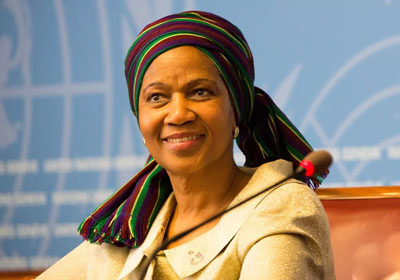
South Africa is mourning the passing of former Deputy President Dr Phumzile Mlambo-Ngcuka, a pioneering political leader whose contribution to the country’s democratic development and the advancement of women’s rights extended outside its borders. She passed away on Friday evening, 20 November 2026, at the age of 71, following complications from a recent medical procedure.
Mlambo-Ngcuka made history in 2005 when she became South Africa’s first woman Deputy President, serving until 2008. Her appointment marked an important milestone in the country’s democratic journey and opened new ground for women in senior political leadership.
READ ALSO: Mlambo-Ngcuka presented with Order of the Rising Sun
Her career in public service began with the first generation of democratic Members of Parliament. She served in the Constitutional Assembly, contributing to the drafting of South Africa’s democratic Constitution, and chaired the Portfolio Committee on Public Service and Administration. She subsequently served as Deputy Minister of Trade and Industry and Minister of Minerals and Energy.
During her tenure in the minerals and energy portfolio, she advocated for the transformation of the mining sector, with particular emphasis on expanding women's participation and ownership. As Deputy President, she promoted inclusive economic growth, skills development and stronger relations between Parliament and the national Executive, also serving as Leader of Government Business.
READ ALSO: Celebrating women who do great work to advocate change for the betterment of humanity
An educator by profession, Mlambo-Ngcuka remained committed to education and the development of future generations. She founded the Umlambo Foundation to support teachers and improve learning opportunities for pupils. In 2013, she completed a doctorate at the University of Warwick, focusing on the use of mobile technologies to support teacher development in resource-poor countries.
Her contribution to women's empowerment gained further international recognition through her appointment in August 2013 as United Nations Under-Secretary-General and Executive Director of UN Women. She served in these positions until August 2021, becoming one of the prominent global voices advocating for gender equality and the rights of women and girls.
During her two terms at the United Nations, she launched the HeForShe solidarity movement, encouraging men and boys to become active participants in the pursuit of gender equality. She also led the Generation Equality process, which mobilised commitments from governments, civil society and other stakeholders towards advancing women's rights and opportunities. Her leadership helped strengthen UN Women's role in the international gender equality agenda.
South African President Cyril Ramaphosa paid tribute to Mlambo-Ngcuka, describing her as a patriot who dedicated her life to the advancement of women.
“She truly flew the flag of women; not only women in South Africa and Africa, but women of the world, as she led that whole initiative at the United Nations,” the President said, adding that she had served the country diligently and remained committed to the upliftment and empowerment of women.
READ ALSO: Unbound – Twitter Thoughts for the heart and mind
The Portfolio Committee on International Relations and Cooperation also recognised her contribution to South Africa's democratic journey and her work in advancing women's rights globally. Committee Chairperson Supra Mahumapelo described her as a courageous and principled leader whose commitment to an inclusive society had opened doors for women and inspired a generation of leaders.
Parliament's Presiding Officers, National Assembly Speaker Thoko Didiza and National Council of Provinces Chairperson Refilwe Mtshweni-Tsipane, remembered her as a steadfast opponent of apartheid and a tireless advocate for social justice, human dignity and the rights of women and girls.
Her legacy also includes the voices she helped bring into international decision-making, particularly women from marginalised and vulnerable communities. Her work consistently called for commitments to gender equality to be translated into meaningful investment, economic opportunities and protection from discrimination and gender-based violence.
Mlambo-Ngcuka leaves behind a record of service that spans South Africa's transition to democracy, national government and international institutions. Her contribution to public life and the advancement of women has left a lasting mark on South Africa and the global community.